Ten Easy Steps To Launch Your Own Double Glazing Design Business
Understanding Double Glazing Design: A Comprehensive Guide
Intro
Double glazing has actually revolutionized the way homes and structures are created and built. With a focus on energy performance, sound insulation, and visual appeal, double glazing plays an important role in modern architectural practices. This post checks out the concepts of double glazing style, its advantages, setup approaches, and frequently asked concerns to supply a well-rounded understanding for anyone seeking to purchase this valuable home enhancement.
- * *
What is Double Glazing?
Double glazing describes the building of window units that include two panes of glass sealed together with a gap, generally filled with a gas such as argon, which considerably lowers heat transfer. This style uses numerous benefits over single-glazed windows, including improved energy efficiency, enhanced thermal efficiency, and better sound insulation.
Key Components of Double Glazing Design
The Glazing Units: Comprised of 2 glass panes, which can be made from numerous kinds of glass, consisting of low-E (low emissivity) glass, which reflects heat back into the space during cooler months.
Spacer Bars: These are the products that separate the 2 panes of glass and hold them in place, ensuring that the space between the panes remains consistent. The spacer bars are important for maintaining the thermal residential or commercial properties of the glazing system.
Sealants: High-quality sealants are utilized to provide a weather-tight seal around the edges of the glazing units. cheap double glazing installation avoids wetness and air seepage, which can compromise efficiency.
Gas Filling: A gap filled with an inert gas, like argon or krypton, increases thermal insulation compared to regular air.
Benefits of Double Glazing
The style of double glazing deals a number of substantial benefits, making it an attractive option for house owners and designers alike.
Advantages
Description
Energy Efficiency
Minimizes heat loss, thus lowering energy expenses.
Sound Insulation
Lessens external sound invasion, improving comfort.
Increased Security
Double-pane glass is more difficult to break, offering included defense versus invasions.
UV Protection
Blocks hazardous UV rays that can fade furniture and floor covering.
Condensation Control
Reduces the threat of condensation forming between panes.
- * *
The Design Process of Double Glazed Windows
Creating double-glazed windows includes several stages, making sure that they satisfy aesthetic, functional, and regulatory requirements.
1. Evaluation of Needs
Before the design procedure begins, an assessment of the requirements is important:
- Energy Performance Goals: Understanding the anticipated energy performance requirements.
- Aesthetic Preferences: Determining the general appearance that matches the architectural design of the building.
- Ecological Considerations: Considering the local environment and environmental elements.
2. Glass Selection
Choosing the best kind of glass is vital. Elements affecting this choice include:
- Thermal Performance: Low-E glass for energy effectiveness.
- Safety: Tempered or laminated glass for enhanced security.
- Sound Reduction Capabilities: Using customized acoustic glass if noise decrease is a priority.
3. Frame Material
The frame can significantly affect both the visual appeal and practical performance of double-glazed windows. Typical materials include:
- uPVC: A low-maintenance, cost-efficient choice.
- Aluminium: Stronger and offers a modern-day aesthetic but has a higher thermal conductivity unless thermally broken.
- Wood: Provides visual heat and insulation but needs more upkeep.
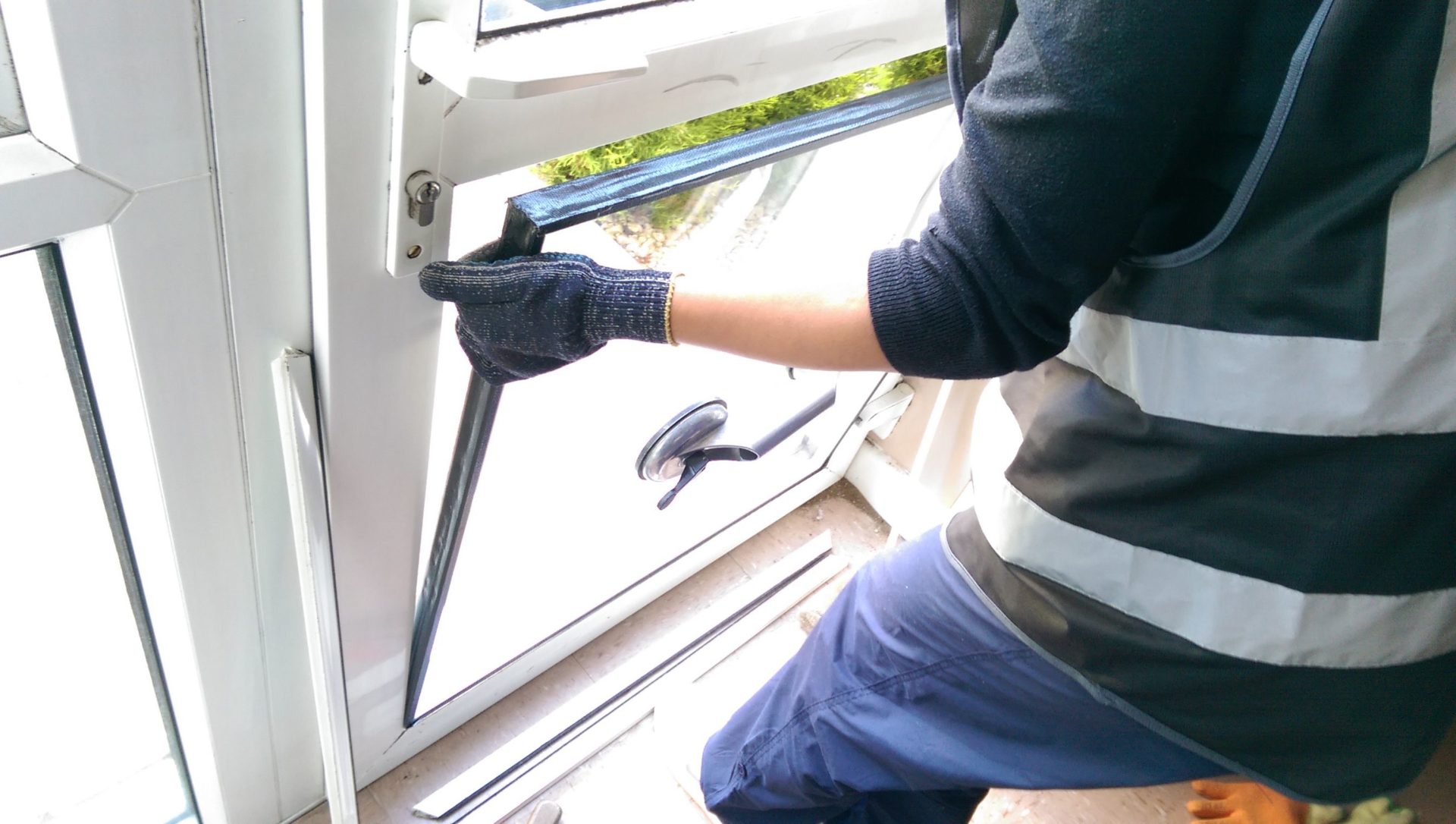
4. Installation Process
Appropriate installation is crucial to guarantee optimum efficiency. The typical process consists of:
- Removal of Existing Windows: Careful taking apart to avoid damage to the walls.
- Preparation of the Frame: Ensuring the opening is square and prepared for the brand-new system.
- Fitting the Double Glazed Unit: Positioning and securing it in place.
- Sealing: Using sealants to avoid moisture ingress and enhance insulation.
5. Quality Inspection
Post-installation, a quality evaluation confirms the performance of the double-glazed windows, ensuring they satisfy requirements and requirements.
- * *
Maintenance of Double Glazed Windows
The fundamental nature of double glazing makes it fairly low-maintenance; however, routine care is needed to extend its lifespan:
- Cleaning: Regular cleansing of the glass panes guarantees optimum natural light entry.
- Examine Seals: Inspect seals regularly for signs of wear or damage.
Condensation Checks: Any indications of condensation in between the panes call for professional assessment.
- *
Regularly Asked Questions
1. How do I understand if I need double glazing?
If you experience drafts, high energy bills, or external noise disruptions, upgrading to double glazing might be an advantageous financial investment.
2. Is double glazing worth the financial investment?
Yes, while the preliminary expenses can be greater than single glazing, the long-term cost savings on energy bills and increased property worth often offset this expense.
3. Can I install double glazing myself?
While DIY setup is possible, professional installation is recommended to ensure the integrity and efficiency of the windows.
4. The length of time do double-glazed windows last?
Normally, double-glazed windows can last between 20 to 35 years, depending on the quality of installation and products utilized.
5. Exist different types of double glazing?
Yes, there are several types, including basic double glazing, sound reduction double glazing, and low-E glazing, each designed for particular requirements.
- * *
Double glazing style offers ingenious solutions that improve the performance of windows while improving energy effectiveness and aesthetic appeal. Homeowners looking to enhance their convenience levels while decreasing energy usage will discover double glazing an attractive financial investment. By understanding its style, components, and advantages, people can make educated choices that add to more sustainable and comfy living areas.